Showing posts with label Healthcare. Show all posts

Monday, 28 December 2020

Global nutrigenomics market size is expected to reach USD 850.86 million by 2025

December 28, 2020 - The global nutrigenomics market size is expected to reach USD 850.86 million by 2025 registering a CAGR of 16.48%. This growth can be attributed to the rising cases of obesity and Cardiovascular Diseases (CVDs), particularly in developed regions. Nutrigenomics can play a vital role in the prevention of obesity by offering personalized, gene-based diet. Increased awareness about the product along with growing geriatric population will also augment the market growth.

Obesity and cancer research applications of nutrigenomics emerged as the market leaders in 2017 and are expected to maintain the dominance expanding at a significant CAGR over the forecast period. Developing regional markets including Asia Pacific, Latin America, and Middle East are also expected to witness rapid expansion owing to the increased cases of obesity and growing geriatric population.

In-Depth research report on Nutrigenomics market:
https://www.radiantinsights.com/research/nutrigenomics-market 

Further key findings from the study suggest:

•    The global nutrigenomics demand exceeded USD 250 million in 2017 and is expected to expand at a CAGR of 16.48% over the forecast period

•    Obesity application segment led the market in 2017 and is estimated to account for a 38% of the industry share by 2025

•    North America accounted for the largest market share in 2017 and is estimated to maintain its dominance over the years to come

•    The Asia Pacific market is projected to witness substantial growth over the next decade owing to increasing cases of obesity and CVD-related deaths

•    Key participants in the global nutrigenomics market include Koninklijke DSM N.V. (Royal DSM); BASF SE; Danone; GeneSmart; Unilever; Genova Diagnostics; Inc.; Nutrigenomix, Inc.; Metagenics, Inc.; WellGen, Inc.; and Cell Logic

To get free request sample:
https://www.radiantinsights.com/research/nutrigenomics-market/request-sample

Wednesday, 2 September 2020

Global Wireless Health Market is Expected to Reach USD 315.4 Billion by 2025

September 02, 2020 - The global wireless health market size is expected to reach USD 315.4 billion by 2025, exhibiting a 23.5% CAGR during the forecast period. Increase in number of eHealth initiatives worldwide, increase in penetration of smartphones and Internet connectivity, and growth in the trend of self-disease management are some of the factors boosting market growth. Growing trend toward use of wearable devices for monitoring physical parameters, such as sleep, blood pressure, heart rate, and physical activity, is also driving the wireless health market.

Growing geriatric population and subsequent rise in chronic disease burden is also driving the market. According to The Wall Street Journal, there has been an increase in usage of digital medicine, which enables management of chronic conditions such as diabetes, heart diseases, and respiratory diseases. Moreover, these digital medicines are cost-effective alternatives to traditional disease management.

In-Depth research report on Wireless Health Market:    
https://www.radiantinsights.com/research/wireless-health-market


Shifting trend toward value-based care is another factor contributing to the growth of the wireless health market. At present, some of the telehealth services, such as consulting a doctor via video connection, are reimbursed by CMS. Use of digital services such as various platforms for health management has promoted the development of various applications for managing diabetes, heart diseases, and asthma. Use of applications for chronic disease management, fitness tracking, supporting medication adherence, preventing hospital readmissions, symptom tracking, and managing mental and behavioral health are on the rise.

Further key findings from the report suggest:

• Wireless Personal Area Network (WPAN) emerged as the largest technology segment and Wireless Wide Area Network (WWAN) is anticipated to witness the fastest growth over the coming years

• Software emerged as the largest component segment owing to rise in number of research initiatives. The services segment, on the other hand, is anticipated to expand at the fastest CAGR of 24.7%

• Patient-specific applications emerged as the largest segment owing to increase in adoption and rise in research initiatives for developing them to manage individual health

• The patient segment accounted for the largest revenue share in terms of end use owing to increase in use of health and fitness applications by people around the world

• Themarket is highly fragmented with participants such as IBM; Allscripts; Cerner Corporation; Omron Corporation; Koninklijke Philips N.V.; Epic Systems Corporation; and Evolent Health, Inc.

Free request sample :
https://www.radiantinsights.com/research/wireless-health-market/request-sample

Monday, 10 August 2020

Alternative sweeteners are used as a substitute for sugar to enrich and sweeten food and beverages

August 10, 2020 - Alternative sweeteners are used as a substitute for sugar to enrich and sweeten food and beverages. These sweeteners are used mostly in reduced concentration since they are relatively sweeter than sucrose (table sugar). They are low in calorie content, making them ideal for consumption by diabetic and overweight people. Variants of alternative sweeteners like high and low-intensity sweeteners, and high-fructose syrup find application in dairy products, bakery items, carbonated drinks, and various other products. The global alternative sweetener market is anticipated to expand at a CAGR of 5.6% during the 2019-2024 period, and will reach a value of USD 17.3 Bn by 2024 from USD 13.17 Bn in 2019.

For further inquiries, about Global Alternative Sweetener Market
https://www.radiantinsights.com/research/global-alternative-sweetener-market

Segmentation based on product type

Based on product type, the high-intensity sweeteners segment accounted for the highest market share (41.0%) in 2019, since it is sweeter than sucrose and is used as diet sugar for health-conscious consumers. It was followed by the high-fructose syrup segment, with a market share of 31.2% in 2019. High-fructose syrup is available in liquid form and is used in food and beverages. The low-intensity sweeteners segment accounted for a market share of only 27.8% in 2019.

Segmentation based on applications

Based on applications, the beverage segment accounted for the highest market share (55.4%) in 2019, and is anticipated to expand at a CAGR of 5.9% during the 2019-2024 period. An increase in the consumption of diet variants of soft drinks and low-sugar beverages among health-conscious consumers is expected to fuel the growth of the beverage segment. The food segment is expected to expand at a CAGR of 5.3% during the forecast period. Changes in sugar consumption patterns and rising awareness about low-calorie sugar alternatives are anticipated to drive the food segment.

Regional insights

North America dominated the global alternative sweetener market with a share of 35.5% in 2019. It was followed by Europe because of the imposition of the sugar tax by governments. Asia-Pacific is anticipated to exhibit the highest CAGR (7.2%) during the 2019-2024 period. The consumption of sweetened food and beverages is high in the region, resulting in the increased incidence of diabetes and obesity. As a result, consumers are becoming health conscious and more inclined towards alternative sweeteners. The markets in Latin America, and the Middle East and Africa are still at nascent stages but are expected to expand significantly.

Companies profiled

- Archer Daniels Midland
- Ajinomoto
- Tate & Lyle
- Ingredion Incorporated
- Cargill
- DuPont Nutrition & Health
- Amai Proteins
- Miraculex
- Sugarlogix
- SteviaOne

To get free request sample:
https://www.radiantinsights.com/research/global-alternative-sweetener-market/request-sample

Tuesday, 24 March 2020

Global Digital Security Control System Market - Global Industry analysis, Growth and Forecast, 2019 to 2023

March 24, 2020 - Security System is made up of a control panel, one or more keypads and various sensors and detectors. In the context of China-US trade war and global economic volatility and uncertainty, it will have a big influence on this market. Digital Security Control System Report by Material, Application, and Geography - Global Forecast to 2023 is a professional and comprehensive research report on the world's major regional market conditions, focusing on the main regions (North America, Europe and Asia-Pacific) and the main countries (United States, Germany, United Kingdom, Japan, South Korea and China).

https://www.radiantinsights.com/research/global-digital-security-control-system-market-research-report-2019-2023?utm_source=social&utm_medium=blogger&utm_campaign=bhagya24march2020_blogger&utm_content=RD

In this report, the global Digital Security Control System market is valued at USD XX million in 2019 and is projected to reach USD XX million by the end of 2023, growing at a CAGR of XX% during the period 2019 to 2023.

The report firstly introduced the Digital Security Control System basics: definitions, classifications, applications and market overview; product specifications; manufacturing processes; cost structures, raw materials and so on. Then it analyzed the world's main region market conditions, including the product price, profit, capacity, production, supply, demand and market growth rate and forecast etc. In the end, the report introduced new project SWOT analysis, investment feasibility analysis, and investment return analysis.

The major players profiled in this report include:

•    Gemalto N.V
•    FireEye, Inc
•    Oberthur Technologies
•    Safenet, Inc
•    Vasco Data Security International, Inc

The end users/applications and product categories analysis:

On the basis of product, this report displays the sales volume, revenue (Million USD), product price, market share and growth rate of each type, primarily split into-

•    Hardware
•    Software
•    Service

On the basis on the end users/applications, this report focuses on the status and outlook for major applications/end users, sales volume, market share and growth rate of Digital Security Control System for each application, including-

•    Mobile Security & Telecommunication
•    Finance & Banking,
•    Healthcare
•    Commercial

Read full research report :
https://www.radiantinsights.com/research/global-digital-security-control-system-market-research-report-2019-2023

Download free request sample :
https://www.radiantinsights.com/research/global-digital-security-control-system-market-research-report-2019-2023/request-sample

Thursday, 19 March 2020

Global behavioral/mental health care software and services market size is expected to reach USD 5.0 billion by 2027

March 19, 2020 - The global behavioral health care software and services market size is expected to reach USD 5.0 billion by 2027. It is anticipated to register a CAGR of 11.1% during the forecast period. Behavioral health management software provides ease of communication between care providers and patients and its real-time monitoring feature enables doctors to efficiently track patient progress.

https://www.radiantinsights.com/research/behavioral-mental-health-care-software-and-services-market?utm_source=social&utm_medium=blogger&utm_campaign=bhagya19march2020_blogger&utm_content=RD

These systems maintain confidentiality regarding patient information, especially in cases of substance abuse and mental health. The software increase productivity and efficiency of mental healthcare, by integrating with its existing infrastructure. Behavioral healthcare providers help reduce treatment costs by providing value-based medicine programs, thus preventing hospital readmissions. The impact of substance abuse is estimated to be worth USD 600 billion every year in U.S., according to a survey by the Substance Abuse and Mental Health Services Administration (SAMHSA).

The Cures Act provides the vendors with an opportunity of integrating, resulting in the care coordination of both parties. The act will enable interoperability between healthcare providers, especially mental healthcare providers, enable insurance claim submissions, simplify the explanation of benefits, and eliminate the obstacles to reimbursement for faster returns. New behavioral health integration codes were introduced by the Centers for Medicare & Medicaid Services (CMS) under the psychiatric collaborative care model and behavioral health integration under the successful chronic care management services initiative.

Further key findings from the report suggest:
  • The software segment held the largest market share in 2019, due to increasing adoption of technological solutions by mental healthcare providers for managing the financial, administrative, and clinical functions
  • Subscription services dominated the delivery model segment in 2019 in terms of revenue share. Due to limited budgets and small practice scale, the small-scale mental health practices prefer subscription-based software solutions
  • Clinical functions dominated the function segment in 2019 in terms of revenue share. The integration of clinical functions reduces the workload on the mental health care facilities and improves productivity
  • North America accounted for the largest market share in 2019 and Asia Pacific is expected to witness the fastest growth over the forecast period
  • Some of the key market players in behavioral health care software and services are Welligent, Inc.; Netsmart Technologies; Epic; Core solutions, Inc.; and Cerner Corporation

Wednesday, 13 February 2019

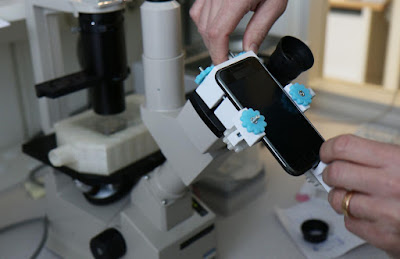
Live cell imaging is used as a popular tool for biological mechanisms and contributes significantly to the functions of multiple cellular processes

February 13, 2019 - According to a report available on Radiant Insights, Inc.; the global live cell imaging market is projected to witness a healthy CAGR by 2022. High prevalence of cancer and growing government backing in cell-based research are anticipated to propel growth. Increasing use of high-content screening techniques in drug discovery can further boost market growth over the forecast period (2018 to 2022).

https://www.radiantinsights.com/research/live-cell-imaging-market-outlook-2022?utm_source=Blogger&utm_medium=Social&utm_campaign=Bhagya13Feb2019&utm_content=RD

Browse full research report :
https://www.radiantinsights.com/research/live-cell-imaging-market-outlook-2022


Rising preference for kinetic research over fixed cellular analysis is considered as one of the major driving factors for market. Addition of dyes and reagents alter the cell behavior, generally in a negative manner and do not display the natural cellular functions. In drug discovery phase, understanding the cellular behavior in its natural state is crucial. The technique is used to study cellular integrity, enzyme activity, exocytosis and endocytosis protein trafficking, and localization of molecules. It is also used to monitor molecules in live animals. Increasing adoption in development of personalized medicine is expected to create growth opportunities  over the forecast period.

However, factors such as high cost of high-content screening systems and lack of skilled professionals are expected to restrain growth of the market for live cell imaging over the forecast period.

The worldwide live cell imaging market can be segmented on the basis of product, application, technology, and region. Based on product, the market can be categorized into equipment, consumables, and software. As per application, the market can be divided into cell biology, stem cell biology, developmental biology, drug discovery, and others. On the basis of technology, the market can be split into Fluorescent Resonance Energy Transfer (FRET), High Content Analysis (HCA), Fluorescence In Situ Hybridization (FISH), and others.

Geographically, the market can be divided into North America, Europe, Asia Pacific, and Rest of the World (RoW). Europe and North America are the early adaptors of live cell imaging technology. Governments in these regions are making significant investments in research and development activities. North America is the major market due to the presence of technologically advanced infrastructure and rising investments.

In Europe, increasing demand for research regarding cardiac diseases, neurodegeneration, and cancers has lead to development of stem cell research and advanced microscopy. This factor is anticipated to propel regional growth over the forecast period. Increasing funding for R&D in cell and developmental biology from institutes like Wellcome Trust and Cancer Research U.K. are also supporting growth in this region. Asia Pacific is likely to showcase rapid CAGR due to high demand from India and China. Increasing scope of live cell imaging in drug discovery and personalized medicines is expected to further support regional market growth.

To get free request sample :
https://www.radiantinsights.com/research/live-cell-imaging-market-outlook-2022/request-sample


Key companies operating in the global live cell imaging market include Perkin Elmer, Inc.; GE Healthcare; Becton Dickenson & Co.; Nikon Instruments Inc.; and Danaher Corporation. The market is extremely competitive with major dominant companies focusing on new product launches, partnerships, and mergers and acquisition to sustain competition.

For instance, GE Healthcare recently launch DeltaVision Ultra microsystem. The system a high-resolution widefield deconvolution microscope designed for widefield fluorescence imaging and analysis of cellular and subcellular processes, up to 50 μm beyond the coverslip and down to 250nm in size. It contains ergonomically designed environmental chamber united with gas control, which supports live cell imaging analysis under physiological conditions and complex non-physiological conditions like hypoxia.

Tuesday, 27 November 2018

Healthcare Supply Chain Market Trends, Leading Players, Technological Innovations, Key Developments, and Future Strategies

November 27, 2018 - The global Healthcare Supply Chain Market is anticipated to grow at substantial CAGR during the forecast period (2018 to 2025), according to a report available on Radiant Insights, Inc. Growing requirement for high-quality medical care in terms of facilities and services among patients is anticipated to propel demand for healthcare supply chain management. It is likely to support healthcare providers to reduce costs related to expensive delivery of quality services by eliminating waste and improving operations.  

https://www.radiantinsights.com/research/global-healthcare-supply-chain-market-size-status-and-forecast-2025?utm_source=Blogger&utm_medium=Social&utm_campaign=Bhagya27Nov&utm_content=RD

Browse full research report :

Rising focus on supply chain management by healthcare sector to effectively reduce costs is expected to influence growth of market. Continual efforts to deliver high-quality services to consumers by healthcare manufacturers can augment market growth. Growing penetration and adoption of several components such as cloud-based solutions and software can spur growth of market. Rising adoption of e-commerce solutions to eliminate error-prone manual processes from supply chain and reduce process can surge market growth. Continual technological advancement in healthcare supply chain management can impel market growth during the forecast period (2018 to 2025).

To cater to rising demand for healthcare supply chain management, most companies are likely to focus on R&D activities to develop advanced software and hardware. For instance, McKesson is expected to offer web-based order management system named Supply Manager. This system is likely to allow users to place medical supply orders and control costs. Users can place orders online, view real-time pricing & availability, view order status, and run reports to analyze purchasing trends. With connectivity to company’s procurement and practice management system, Supply Manager can provide efficient, informed management of user’s medical and surgical supply ordering along with inventory management. 

The healthcare supply chain market can be segregated on the basis of product, application, and region. Based on product, the market can be categorized into software and hardware. In recent years, software segment dominated the market and accounted for largest market share. Growing adoption of healthcare supply chain management software among manufacturing companies can influence growth of segment. In addition, increasing applications such as customer relationship management and execution of value chain transactions can fuel market growth. The segment is likely to grow at high CAGR over the forecast period. 

Based on end-users, the market can be classified into providers, manufacturers, and distributors. In recent years, manufacturers segment dominated the market and accounted for largest market share. However, providers segment is estimated to account for high CAGR during the forecast period. The segment is likely to include hospitals and other service providers.

Regional segmentation includes Europe, United States, India, Japan, China, and Southeast Asia. United States is expected to account for largest market share over the forecast period attributed to growing adoption of technology coupled with increased purchasing power. In addition, high prevalence of global players coupled with rising concerns of cost of healthcare can augment growth of market over next few years.

Similarly, Europe is anticipated to account for second largest market share led by countries such as United Kingdom, Germany, and France over the forecast period. However, market is expected to shift in favor of developing economies such as Japan, India, and China during the forecast period.

Free request sample :

In Middle East and Africa, the market is expected to witness moderate growth owing to poor economic and political conditions in Africa.

Some of the leading companies offering healthcare supply chain are McKesson, Oracle Corporation, HighJump, Manhattan Associates, and Jump Technologies.

Wednesday, 1 August 2018

Artificial insemination is usually the preferred first-line treatment for infertility

The global artificial insemination market is expected to reach USD 2.63 billion by 2025. Over the past few years, infertility has become a major public health concern across the globe. Artificial insemination is usually the preferred first-line treatment for infertility. According to WHO, around 10% of women in the world are struggling to get pregnant. Lifestyle changes, delay in pregnancy, and hormonal issues are some of the reasons contributing to the rise in infertility around the world.

https://www.radiantinsights.com/research/artificial-insemination-market/request-sample?utm_source=Blogger&utm_medium=Social&utm_campaign=Bhagya01Aug&utm_content=RD

The exact estimation of infertility statistics is challenging, however, WHO monitors its prevalence across the world. At present, 46% of the global population lives in countries having low levels of fertility. According to United Nations, the global rate of fertility is expected to decline to 2.4 by 2030 and 2.2 by 2050. In developing or underdeveloped nations, medical consultation regarding infertility and childlessness was not easily accessible. Hence, there was lack of awareness about available assisted reproductive techniques including artificial or donor insemination and IVF.

Further key findings from the report suggest:
  • It is preferred mostly by single women who wish to conceive and same-sex partners with the help of fresh or frozen donor sperm samples. In some countries, lesbian couples are provided insurance coverage for these procedures
  • Intrauterine Insemination (IUI) held majority of the market share in 2017 and is likely to be the fastest-growing segment over the forecast period, as it is the most common and noninvasive procedure.
  • Fertility clinics held majority of the market share in 2017 as the number of medical facilities offering infertility treatments has been increasing over the past decade
  • Fertility clinics provide medical consultation regarding the detection of ovulation to perform the procedure for insemination. Sperm washing is also performed in the clinics to achieve optimum results
  • Artificial insemination with partner's or (AIH) sample held the majority of the source type segment share
  • Europe held majority of the market share in 2017 due to the presence of the largest number of patients and easily accessible treatment options
  • On the other hand, Asia Pacific is expected to be the fastest-growing regional market due to increase in awareness regarding artificial or donor insemination in the region
  • Some of the key players in this market include Irvine Scientific; Rinovum Women's Health, LLC; TenderNeeds Fertility; Conceivex, Inc.; Hi-Tech Solutions; among others.

To get free request sample :

Tuesday, 24 July 2018

Digital pathology converts analog microscopic images into digital images (digital imaging)

Global Digital Pathology Market is anticipated to grow considerably in the forecast period owing to the need for implementing speedy diagnostic tools for chronic disorders like cancer and increase in work efficiency of pathology workers. Digital pathology is the integration of acquisition, management, sharing and interpretation of pathology information that comprises slides and data in digital environment. 

https://www.radiantinsights.com/research/global-digital-pathology-market-research-report-2018?utm_source=Blogger&utm_medium=Social&utm_campaign=Bhagya24July&utm_content=RD

The digital slides are generated when a glass is captured with scanning device to offer high resolution digital image. The image can be viewed on a mobile device or computer screen for further analysis and interpretation. Digital pathology converts analog microscopic images into digital images which is also known as digital imaging, virtual microscopy or virtual slides.

Read full research report :

Digital imaging in pathology is all set to improve workflow, which increases productivity while reducing costs, enabling automated image analysis and quality control. However, the efficient use of digital slides is still a challenge. The emergence of mod whole slide imaging has improved the medicine diagnostic method impressively, which impacts the digital pathology market in the forecast period.

The growing advancements and developments of conventional pathology has resulted in extensive use of digital pathology. Hence, technological modernizations impact the digital pathology market significantly in the coming years. Additionally, rise in applications of digital pathology for medical consultation, especially for cancers, stimulates the growth of digital pathology market.

Other factors contributing to the market growth comprise increase in chronic diseases and streamlining of virtual transportation of slides. Nevertheless, lack of reimbursement policies, insufficient infrastructure and costly pathological devices hamper the digital pathology market growth.

Owing to the benefits offered by image analysis informatics like support in easy analysis of magnitude of images and in studying complex morphologies and features, image analysis informatics is predicted to register considerable growth rate in future. Moreover, it allows comparison of data with other data for acquiring better decisions, which again boosts the digital pathology market growth.

Digital pathology market is categorized on the basis of product, application, end-user and geography. On the basis of product, digital pathology market is divided into Software, Scanner, Communication system, and Storage system. Software segment is projected to dominate the digital pathology market in the coming years due to the availability of user-friendly, analytical, and innovative functions for pathology diagnosis.

Depending on application, digital pathology market is classified into Teleconsultation, Disease Diagnosis, Drug Discovery, and Education and Training. Teleconsultation segment is expected to hold larger market share in near future. On the basis of end user, digital pathology market is divided into Pharmaceutical and Biotechnology companies, CRO, Hospital laboratories, and Academic and Research institutes. Pharmaceutical and Biotechnology companies are estimated to hold larger market share due to increasing use of digital pathology for bio-banking, biopharmaceutical studies, and molecular assays.

Geographically, digital pathology market is segmented as North America, Europe, Asia Pacific and RoW. North America followed by Europe dominates the digital pathology market owing to increase in initiatives by the market players and governments in diagnostics and the rise in incidences of chronic diseases.

The key players of digital pathology market are Perkin Elmer, Inc., Definiens AG, Omnyx, LLC, Hamamatsu Photonics K.K, GE Healthcare, Corista LLC, Inspirata Co, Philips Healthcare, 3D-Histech Ltd., Olympus Corporation, Sectra AB, Ventana Medical Systems, Inc., etc.

Digital Pathology Report by Material, Application, and Geography - Global Forecast to 2022 is a professional and in-depth research report on the world's major regional market conditions, focusing on the main regions (North America, Europe and Asia-Pacific) and the main countries (United States, Germany, united Kingdom, Japan, South Korea and China).

The report firstly introduced the Digital Pathology basics: definitions, classifications, applications and market overview; product specifications; manufacturing processes; cost structures, raw materials and so on. Then it analyzed the world's main region market conditions, including the product price, profit, capacity, production, supply, demand and market growth rate and forecast etc. In the end, the report introduced new project SWOT analysis, investment feasibility analysis, and investment return analysis.

Download free request sample :

Tuesday, 17 July 2018

Several 3D cell culture options are available in the form of scaffold-based, scaffold-free, and 3D bioreactor systems

The global 3D cell culture market size is expected to reach USD 1.69 billion by 2024, exhibiting a 14.8% CAGR during the forecast period. Need to incorporate 3D cell culture systems in research for better representation of in vivo environment has driven development of new materials and methods, thereby propelling market growth.

www.bit.ly/2zMTY0P

3D cell culture is more suitable for in vivo modeling due to the resemblance they provide to morphology of organ or cells. Several 3D cell culture options are available in the form of scaffold-based, scaffold-free, and 3D bioreactor systems. Emergence of 3D optimized assays, kits, and protocols, along with maturity in development of different assay techniques, is projected to accelerate market growth.

Increasing adoption of tissue engineering and organ transplantation for chronic diseases is projected to drive adoption in research over the forecast period. Furthermore, use of microchips to implement culturing through use of micro-fabricated tissue component is expected to present the market with potential avenues.

Fabrication techniques to produce scaffold-free systems that are inexpensive, transparent, and compatible with liquid handling tools have emerged. Rapid adoption of these systems for tissue engineering research, drug discovery, and personalized medicine contributes to market growth. Scaffold-free technology is expected to observe the fastest growth over the next few years, registering an estimated CAGR of around 15.7% from 2016 to 2024.

Further key findings from the report suggest:
  • Emergence of novel fabrication techniques contributes to the growth of scaffold-free 3D cell culture systems
  • Rapid adoption of culturing systems in cancer research for development of immortalized established cell lines or primary cell cultures to perform in vivo drug screening has led to its largest revenue share
  • 3D bioprinting enables creation of 3D printed building blocks of embryonic stem cells, which could be further used for micro-organ generation and tissue regeneration experiments
  • Changing of regulatory policies for stem cell research and high potential of 3D culturing tools fuels the stem cell research segment
  • North America dominated the global 3D cell culture market with a share of over 41.0% in 2016. Presence of major pharma and biotech players that collaborate with research laboratories to implement these technologies drives progress in U.S.
  • Asia Pacific is projected to witness substantial growth over the forecast period owing to rapid developments across major economies, especially in the tissue engineering and stem cell research domain. APAC is expected to exhibit a CAGR of 16% during the forecast period
  • Key players include Merck, 3D Biotek LLC; 3D Biomatrix; Nano3D Biosciences Corning Inc.; VWR International, LLC; Thermo Fisher Scientific; Global Cell Solutions, Inc.; Becton Dickinson and Company; Tecan; InSphero AG; and Lonza Group
  • Major players focus on collaborating with laboratories to commercialize technologies that are not potentially established in the market space.
Request free sample : www.bit.ly/2zMTY0P

For more info : www.bit.ly/2NQRDVL

Thursday, 5 July 2018

Technological advancements and user-friendly ENT devices are further projected to drive the industry

The global ENT devices market size is expected to reach USD 23.1 billion by 2022, expanding at a CAGR of 5.0% during the forecast period. Rising geriatric population and increasing prevalence of ENT related disorders are the primary factors stoking the growth of the market.

https://www.radiantinsights.com/research/ent-devices-market/request-sample?utm_source=Blogger&utm_medium=Social&utm_campaign=Bhagya05July&utm_content=RD
According to WHO, 33.0% of geriatric population and 15.0% of adult population worldwide suffer from hearing disordersBesides this, in 2015, 13,560 new cases were registered according to the National Cancer Institute. Increasing cases of hearing disorders are estimated to increase the usage of hearing devices.

Technological advancements and user-friendly ENT devices are further projected to drive the industry. For instance, use of thermoplastic material for development of nasal splints is gaining demand. Developing economies such as South Africa, Brazil, China, and India are anticipated to provide significant opportunities for the growth of the market due to unmet healthcare needs coupled with presence of target population.

Hearing aids were the largest segment in 2016. Rising target population, high accessibility, and significantly high usage are the key factors contributing to the growth of the market. The hearing implants segment is likely to witness fast growth during the forecast period due to introduction of technologically advanced devices and soaring rate of patient compliance overcoming social stigma towards use of such devices.

Further key findings from the report suggest:
  • Cochlear implant is one of the largest segments of the hearing implants market. Growing customization in cochlear implants is the major factor responsible for its higher usage
  • North America dominated the market in terms of revenue in 2016, due to presence of well-established healthcare infrastructure, favorable government initiatives, and high awareness levels of practitioners and patients
  • Asia Pacific is projected to be the fastest growing region over the forecast period and it's due to favorable government policies, rising levels of healthcare expenditure, improving healthcare infrastructure, and clinical advancements in product development
  • Major players are introducing novel devices to increase their market share. For instance, HiQ+ series of bipolar endoscopes by Olympus Medical Systems and Soundbridge by MED-EL.

Download free request sample :

Visit for more info :

Small animal imaging (In-Vivo) market size is progressing at a CAGR of 9.0% during the forecast period

The global small animal imaging (In-Vivo) market size is expected to reach 2.7 billion by 2022, progressing at a CAGR of 9.0% during the forecast period. Rising number of medical conditions requiring precise research for development of treatment options is anticipated to stoke the demand for small animal imaging over the forecast period.

https://www.radiantinsights.com/research/small-animal-imaging-in-vivo-market?utm_source=Blogger&utm_medium=Social&utm_campaign=Bhagya05July&utm_content=RD

In-Depth research report on Small Animal Imaging (In-vivo) Market: 

Importance of these devices in applications such as defining mechanism of action, drug receptor targeting, and epigenetic research studies are projected to provide substantial growth for the market. Some of the major drivers of small animal imaging (in-vivo) market are technical innovations such as high-resolution MRI with other modalities, growing number of research and pharmaceutical organizations, increasing investments of CROs in pre-clinical studies, and rising adoption of multi-functional pre-clinical imaging.

Further key findings from the report suggest:
  • Optical imaging was the largest segment in 2014 owing to rapid and easy operations and relatively cost-effective in comparison to other devices
  • Micro-MRI technology is anticipated to be the fastest growing segment over the forecast period due varied applications during anatomical and functional analysis in developing mouse embryos and neonates
  • In 2014, bio-distribution and monitoring the treatment response dominated the market in terms of revenue
  • The cancer cell detection segment is expected to show substantial growth due to the increasing prevalence of cancer and rising government initiatives for cancer diagnostics research
  • North America was the largest region in terms of revenue in 2016. Vast pre-clinical research, increasing demand for rapid and advanced methods, established healthcare infrastructure, and favorable platform for R&D pertaining to technological advancements are the key factors driving the regional market
  • Europe was the second largest region in 2014, due to a large number of clinical research and pharmaceutical organizations and diagnostic device manufacturers
  • Asia Pacific is projected to be the fastest growing region over the forecast period owing to increasing clinical research activities, rising base of target population, and emerging economies
  • Some of the key players are Promega Corporation, Inc.; Miltenyi Biotec GmbH; Life Technologies Corporation; FujiFilm Holding Corporation; Siemens AG; Thermo Fisher Scientific; Bruker Corporation; PerkinElmer Inc.; and Aspect Imaging Ltd.
To get free request sample :

Protein labeling market size is expected to reach USD 2.60 billion by 2024

The global protein labeling market size is expected to reach USD 2.60 billion by 2024, registering a CAGR of 9.3% during the forecast period. Development and commercial launch of high accuracy and rapid labeling products is expected to enhance market growth.

https://www.radiantinsights.com/research/protein-labeling-market?utm_source=Blogger&utm_medium=Social&utm_campaign=Bhagya05July&utm_content=RD

Post-translation Modification (PTM) such as proteolysis, lipidation, acetylation, methylation, nitrosylation, ubiquitination, glycosylation, and phosphorylation influence all aspects of pathogenesis as well as normal cell functioning. PTM studies are rapidly being adopted to investigate biological functions of various proteins and their role in disease prognosis.

Availability of a broad range of labels for covalent attachment of different molecules provides researchers the choice to select labels to suit specific applications. Fluorescent labeling does not require additional reagents for protein detection due to its ability to respond to light signals. This ability of fluorescence molecules has significantly contributed to its rapid adoption in in vivo protein labeling.

High R&D spending to reduce complexity in protein labeling and increased adoption of sophisticated bioengineering techniques in various sectors of biotechnology further contribute to market growth. Development of rapid diagnostic tests based on detection of the presence of specific protein proves to be of great significance for rapid and cost-effective diagnostics. Focus on development of advanced diagnostic tests based on protein detection is expected to fuel new product development.

Technological advancements in genetic sequencing methodologies has drastically reduced the cost of genome profiling. This is expected to drive demand for protein expression analysis, which is the next step in genetic analysis after sequencing. Declining sequencing cost has increased the number of proteomic and genomic profiling studies, which is projected to fuel demand for protein labeling over the forecast period.

Further key findings from the report suggest:

  • Rapid adoption of post-translational modification studies in proteomics is expected to fuel demand for reagents
  • SNAP-, CLIP-, MCP-, and ACP- tags are some of the fusion proteins used for covalent labeling. Ability to provide irreversible covalent labeling and labeling for membrane protein drives demand for probes/tags in labeling
  • Demand for kits for clinical diagnosis of various diseases based on protein detection fuels the kits product segment
  • North America dominated the market due to presence of key players and high investments in proteomics research. Canada is poised to witness lucrative growth owing to increasing number of research projects focused on improving healthcare solutions
  • Europe is a key regional market. The Seventh Framework Program of the European Union provided funds for P-CUBE - an infrastructure for Protein Production Platforms to provide access to most advanced techniques to researchers
  • Asia Pacific is expected to observe remarkable growth over the forecast period, especially in China and Japan
  • Major companies operating in the market include F. Hoffmann-La Roche AG; GE Healthcare Life Science; Promega Corporation; PerkinElmer Inc.; Merck Millipore; Thermo Fisher Scientific Inc.; Kirkegaard & Perry Laboratories (KPL); Eurogentec S.A.; New England Biolabs; and LI-COR Inc.
  • Key players are involved in acquisition of smaller players and are expanding their product portfolio, resulting in market consolidation.

Free request sample :
https://www.radiantinsights.com/research/protein-labeling-market/request-sample

Thursday, 21 June 2018

Veterinary chemistry analyzers market is expected to grow at a CAGR of 8.2% to 2025

The global veterinary chemistry analyzers market size is expected to reach USD 1.3 billion by 2025, progressing at a CAGR of 8.2% during the forecast period. Rising animal healthcare expenditure and increasing pet ownership are some of the major factors contributing to the growth of the market.

www.bit.ly/2I7URA4

Browse full research report : 
https://www.radiantinsights.com/research/veterinary-chemistry-analyzer-market

Increasing incidence of zoonotic diseases is one of the key trends escalating market growth. According to an article published in the Centers for Disease Control and Prevention (CDC) in 2017, scientists estimated that 3 out of every 4 emerging infectious diseases in people are transmitted through animals, and more than 6 out of every 10 known infectious diseases in people are transmitted through animals.

Increasing demand for animal proteins is leading to a global rise in livestock production and increase in exports of animal products. Rising disposable income and changing lifestyles are stirring up the demand for animal-derived food products.

According to the American Pet Products Association (APPA), the U.S. pet food sales doubled to USD 22 billion from 2000 to 2014 and are expected to rise at a CAGR of 2.5%. According to Mintel, in 2014, 79.0% of the U.S. pet owners considered the quality of pet food products is as important as their own.

To Read other reports of this category
https://www.radiantinsights.com/catalog/healthcare

Further key findings from the report suggest:
  • Benchtop analyzers were the largest segment, based on type, in 2016 due to their accuracy and precision. Portable analyzers are anticipated to witness remarkable growth owing to surging demand for shorter analysis time and quicker results
  • The consumables segment was the largest as well as the fastest growing segment during the forecast period due to the ability of consumables to create a standardized workflow and advancements such as ready-to-use liquid reagents
  • Blood chemistry dominated the application segment owing to increasing number of veterinary practitioners globally
  • The hospitals segment held the largest market share in 2016 and is expected to exhibit a noteworthy CAGR over the forecast period due to increasing demand for in-house analyzers
  • North America accounted for approximately 40.0% of the market in 2016, owing to increasing incidence of zoonotic diseases and growing demand for pet insurance
  • Asia Pacific is anticipated to witness healthy growth over the next decade due to increasing pet ownership in countries such as India and China. It is expected to rise at a CAGR of 9.4% over the forecast period
  • Key players including IDEXX Laboratories, Inc.; Abaxis; URIT Medical; Randox Laboratories Ltd.; Heska Corporation; and Eurolyser Diagnostica GmbH dominated the veterinary chemistry analyzers market in 2016.

Thursday, 10 May 2018

Gene Therapy: A Potential Solution for Tumors & Genetic Disorders

Gene therapy is a medical treatment which involves the replacement of defective cells with healthy cells to treat a disease. It also helps in treating various genetic diseases in which the mutated genes are replaced with the functional genes. Gene therapy possesses a great untapped potential that can help eradicate diseases. Experts in the field believe that this therapy will be particularly helpful for people suffering from hereditary diseases such as Huntington’s disease, Alzheimer’s disease, Parkinson’s disease, and several others. Gene therapy finds a wide range of applications in treating genetic disorders, cardiovascular diseases (CVDs), infectious diseases, neurological diseases, oncology, and others.

www.bit.ly/2G2Xj9Y

Oncology: The Dominant Application Segment

Oncology is the dominant application segment for gene therapy. This growth is attributed to the growing focus on R&D activities by various academic institutes and international players in the field of gene therapy in order to find cure for difficult-to-treat cancers. Moreover, factors such as supportive government initiatives, rising cases of cancers, increased investments for R&D from various government and private organizations are also boosting the growth of this application segment. Other application areas such as CVDs, clinical trials, and infectious diseases are also anticipated to witness a rapid development in the forthcoming years.

One of the recent updates in the field of gene therapy includes the successful clinical trial of gene therapy for the treatment of Idiopathic Pulmonary Fibrosis or IPF. In 2018, experts at the Telomere and Telomerase Group at the Spanish Cancer Research Centre completed a medical trial and successfully cured IPF in mice with the assistance of gene therapy that lengthens the telomeres.

Market Overview

According to the findings of a research report made available by Radiant Insights, Inc.; the global gene therapy market is expected to expand at a healthy growth rate in the near future. The key factors driving the growth of this market include increasing investments for R&D activities and rising awareness about gene therapy. In addition, globally increasing target population base is also predicted to boost the gene therapy market demand over the next few years. Furthermore, technological advances in the field are also likely to contribute towards market growth. Human Stem Cells Institute; Sibiono GeneTech Co. Ltd.; Spark Therapeutics, LLC; and ViroMed Co. Ltd. dba VM BioPharma are some of the major companies operating in the market.

Read full info : www.bit.ly/2G2Xj9Y 

Download free request sample : www.bit.ly/2wvczwH

Wednesday, 9 May 2018

Intraoperative Neuromonitoring to Ensure Patient Safety During Surgery

Growing necessity for reduction of unwanted injuries during surgical procedures is anticipated to propel demand for intraoperative neuromonitoring (IONM) devices. Such devices can support surgeons in early detection of damages possible through advanced monitoring techniques and provide precautionary measures. 

www.bit.ly/2wzgHf4

In-Depth research report on Intraoperative Neuromonitoring Market :

Acquisitions to Minimize Surgery Expenses
 

Major products of intraoperative neuromonitoring are insource IONM and outsource IONM. In the coming years, outsource IONM segment is likely to witness maximum growth owing to reduced capital expenditure and maintenance costs for hospitals adapting the technology. High costs of IONM devices is likely to stimulate demand for outsourcing. To cater to rising demand, most companies are offering IONM services to multiple number of surgeons operating in various hospitals and medical centers.

For instance, SpecialityCare recently announced that it had acquired Sentient to provide IONM services. This acquisition is likely to cement the former as the market leader and inclusive provider of outsourced IONM services. The company is likely to have over 500 IONM professionals to support 88,000 surgical procedures annually for more than 700 customers and 2300 surgeons. As an extension to neuroscience services, the company can now offer some advanced monitoring services such as deep brain stimulation, diagnostic electroencephalogram (EEG), ICU trans-cranial Doppler evaluations, interventional neuroradiology, and support of long-term EEG monitoring.       

Market Insights

The global intraoperative neuromonitoring market is anticipated to exhibit phenomenal growth in terms of volume by 2021, according to a report on Radiant Insights, Inc. Increasing adoption of IONM devices to prevent any internal injury to the nervous system or any other body part during or post-surgical procedures can fuel market growth. Growing concern among surgeons regarding patient safety while performing crucial surgeries can influence market growth.

Incapability to pay for expensive surgeries and anxiety of readmission to hospital owing to post surgery contaminations among patients can drive growth of the market. Increasing adoption of surgeries owing to rising cases of chronic diseases is likely to impel growth of the market in the coming years. Promising reimbursement policies initiated by regulatory authorities can augment growth of the market during the forecast period (2017 to 2021).

Some of the leading companies offering quality IONM devices are NuVasive Inc; Natus Medical Incorporated; Cadwell; Computational Diagnostic; and Medtronic.

Request free sample :

Friday, 4 May 2018

Advanced Wound Care to Assist Diabetic Patients With Recovery

Growing incidence of diabetes owing to increasing geriatric population is anticipated to propel demand for advanced wound care. Such medical procedures are expected to heal even serious and non-healing wounds from diabetes in exceptionally less time as compared to conventional healing methods. Increasing adoption of advanced medical techniques can further impel demand.  

www.bit.ly/2FGyQar

To get more details :

New Product to Expedite Wound Healing
 

Major product variants of advanced wound care are wound therapy devices, advanced wound dressings, and wound care biologics. In the coming years, wound care biologics are anticipated to witness significant growth in the coming years. Increasing number of diabetic patients suffering from chronic and non-healing wounds are likely to propel demand for skin substitutes. Skin substitutes are expected to offer experimental and clinical evidence of efficacy in healing chronic wounds. Effective results of wound care biologics are likely to fuel its demand among diabetic patients.

Considering the rising demand, most companies are focusing on R&D investments to offer innovative wound care biologic products for better healing results. For instance, Organogenesis Inc., recently introduced its new wound management product named PuraPly. This product is likely to be available in 1.6 cm disc size, which is quite easy to use. It is expected to utilize novel technology that offers purified native collagen matrix embedded with broad spectrum antimicrobial called polyhexamethylene biguanide (PHMB). This specific combination is expected to support regeneration of biofilm in wounds.

Market Insights

The global advanced wound care market is predicted to display significant demand by 2022, according to a report on Radiant Insights, Inc. Rising number of diabetic patients with chronic or non-healing wounds can influence market growth in the coming years. Favorable government initiatives towards healthcare development through significant investments can bolster growth of the market. Growing awareness regarding availability of advanced healthcare facilities is expected to fuel market growth during the forecast period (2018 to 2022). 

Some of the leading companies offering advanced wound care products are Medtronic, Integra LifeSciences, Lohmann & Rauscher, 3M Company, and Smith & Nephew.

To get free request sample :

Thursday, 26 April 2018

Parkinson’s Disease Drugs for Treating Motor Fluctuations & Dyskinesia

Parkinson’s disease (PD) drugs play an important role to treat disorders disturbing motor neuron activities including depression, dementia, tremor, and rigidity. The risk of the disease may increase with age and it mostly affects individual over fifty years of age.

www.goo.gl/DaRrjy

To get more details at :
https://www.radiantinsights.com/research/global-parkinsons-disease-drugs-market-outlook-2022

Development of Drugs to Treat CNS Disorders to Boost Demand

Several therapies used to treat PD include dopamine agonist therapy, levodopa therapy, COMT inhibitor therapy, MAO-B inhibitor therapy, and others.

The levodopa therapy segment is expected to account for the largest share till 2022. It is widely adopted as it is considered as the strong treatment for PD. The benefits of the therapy can be observed quickly after administration. For instance, Adamas Pharmaceuticals’ amantadine extended-release capsules called Gocovri has received approval from the U.S. Food and Drug Administration (FDA) in 2017. The drug can be used to treat dyskinesia among patients who are currently undergoing levodopa-based therapy, with or without associated dopaminergic drugs.

The dopamine agonist therapy segment is likely to show strong growth from 2017 to 2022 as the therapy is effective in treating central nervous system (CNS) disorders caused due to hypodopaminergic conditions. It applies its anti-parkinsonian ability by stimulating the postsynaptic dopamine receptors and can improve motor functions at initial stage of PD. High usage of dopamine drug among the general physicians is growing due to therapeutic benefits witnessed during treatment of dyskinesia and motor fluctuations.  

Market Overview

According to a report made available by Radiant Insights, Inc.; the global Parkinson’s diseases (PD) drugs market is anticipated to display substantial growth by 2022. Rise in elderly population, high occurrence of neurogenerative diseases, research and development efforts, and pipeline of numerous drugs can impel the market over the projected period (2017 to 2022). Additionally, growing awareness regarding the disease and growing expenses for research and development (R&D) can boost market growth. Patent expiration of many drugs and high cost of treatment can restrain the market growth.

Key companies operating in the market include Acadia Pharmaceuticals Inc.; Valeant Pharmaceuticals International, Inc.; Abbvie Inc.; Impax Laboratories, Inc.; and Merck & Co., Inc.

Download free request sample at :
https://www.radiantinsights.com/research/global-parkinsons-disease-drugs-market-outlook-2022/request-sample

Friday, 20 April 2018

Opioids Market Analysis By Product, Application, Region And Forecasts to 2025

The global opioids market size is estimated to reach USD 34.96 billion by 2025, exhibiting a CAGR of 4.8% during the forecast period. Growing geriatric population, coupled with increasing focus on palliative care, is estimated to boost the market. Moreover, increasing number of acquisitions and collaborations by market players is expected to drive growth.

www.bit.ly/2He3XzM

For more details @ https://www.radiantinsights.com/research/opioids-market

Furthermore, rising prevalence of disease conditions with chronic pain, such as cancer, lower back pain, arthritis, and fibromyalgia is driving the market. Substantial rise in road accidents and trauma, coupled with constantly increasing cases of surgical procedures, is also driving demand for opioid-based pain management solutions.

North America is leading the opioids market with a share of over 56.0% in 2016. One of the major reasons for its dominance is rising geriatric population with terminal conditions, such as rheumatoid arthritis. However, opioid abuse in U.S. has been rising at an alarming rate. Overdose of opioids has killed over 28,000 people in 2014 alone. Almost half of those deaths were caused by prescription opioids. Hence, opioid abuse has been declared a "public health emergency" in U.S., and this is likely to limit the growth of opioids in North America.

Further key findings from the report suggest:
  • Extended release opioids were the largest product segment in 2016 due to its high usage in chronic pain management
  • Anesthesia is estimated to be the fastest growing application segment over the forecast period due to factors such as safety and high drug efficacy
  • Cancer pain was the largest pain relief segment in 2016 owing to global increase in prevalence of cancer
  • North America was the largest region in 2016 owing to local presence of key players and increasing adoption of opioids for pain management
  • Europe was the second-largest segment in 2016 due to factors such rising geriatric population
  • Asia Pacific is expected to witness fastest growth over the forecast period due to increase in geriatric population, coupled with increase in focus on palliative care
To get free request sample @ 
  • Some of the key players are Purdue Pharma L.P; West-Ward Pharmaceuticals Corporation; Allergan; Pfizer, Inc.; Janssen Pharmaceuticals, Inc.; Egalet Corporation; and Sun Pharmaceutical Industries Limited
  • Most key players are focusing on entering untapped regions and expanding their product portfolios.